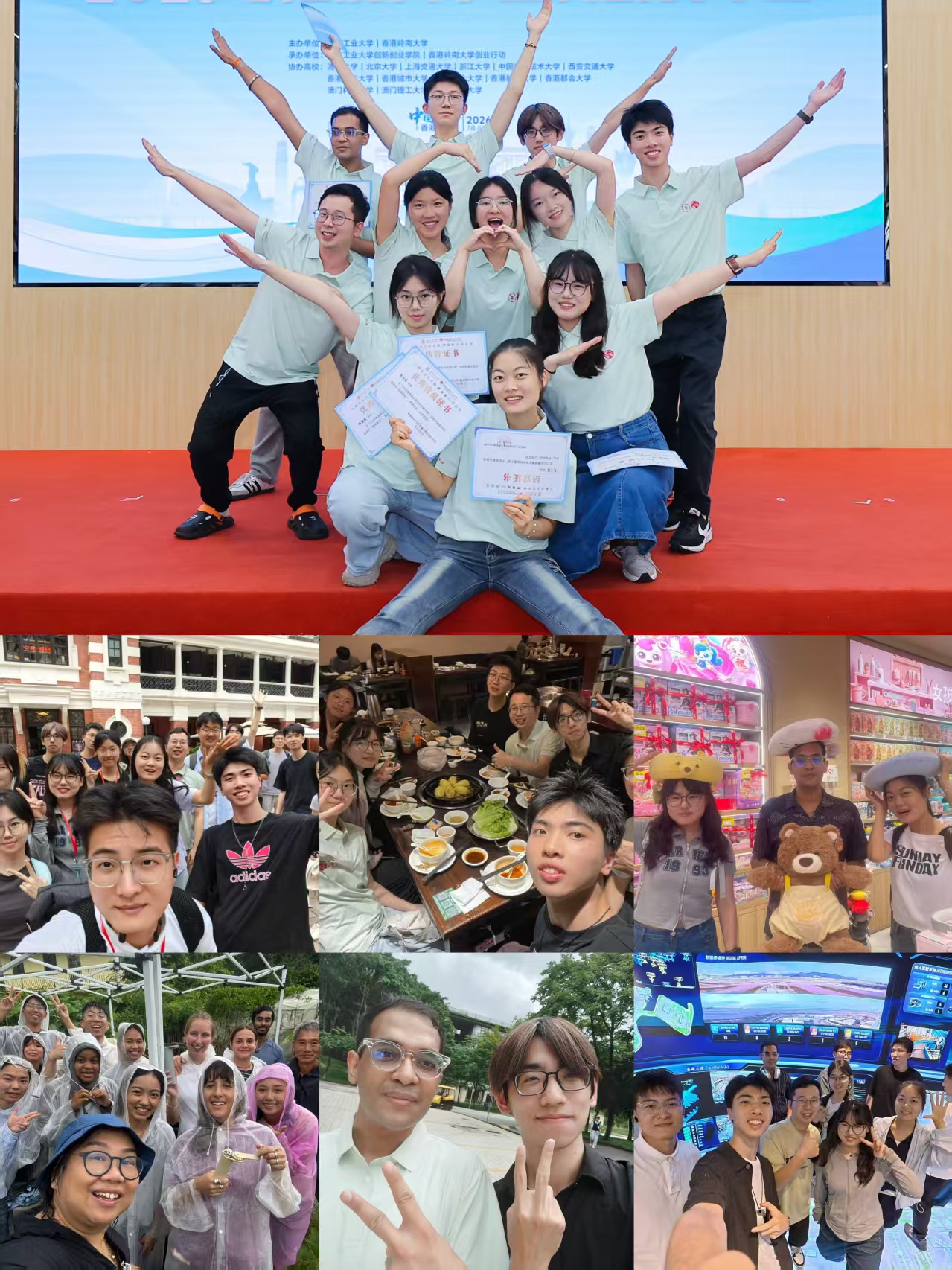
I arrived at the Guangdong-Hong Kong-Macao Greater Bay Area Summer Camp in July 2026 as a student from @Guangdong University of Technology , curious about two things: where ideas go after they leave the classroom, and what Hong Kong feels like beyond the photographs. Over the next few days, those questions kept changing shape. They appeared in student ventures, working products, local farms, a robot we assembled, and factory lines moving at full scale. The strongest thread, though, was the people: students with very different backgrounds becoming teammates, then friends.
People Before Programmes
The first evening had the familiar awkwardness of any new group: careful introductions, half-remembered names, and conversations that needed a little time to warm up. Around the welcome-dinner table, that formality gradually disappeared. Before there was a team, there was simply a group of people learning how to talk to one another.
My teammates came from @Lingnan University , @Macau University of Science and Technology , @The Education University of Hong Kong , @Hong Kong Metropolitan University , @Zhejiang University , @Shanghai Jiao Tong University , and @The Hong Kong Polytechnic University . We came from different disciplines and were at different stages of study. The mix became most visible when one question produced several completely different lines of thought—and gave us more to talk about than any standard introduction could.
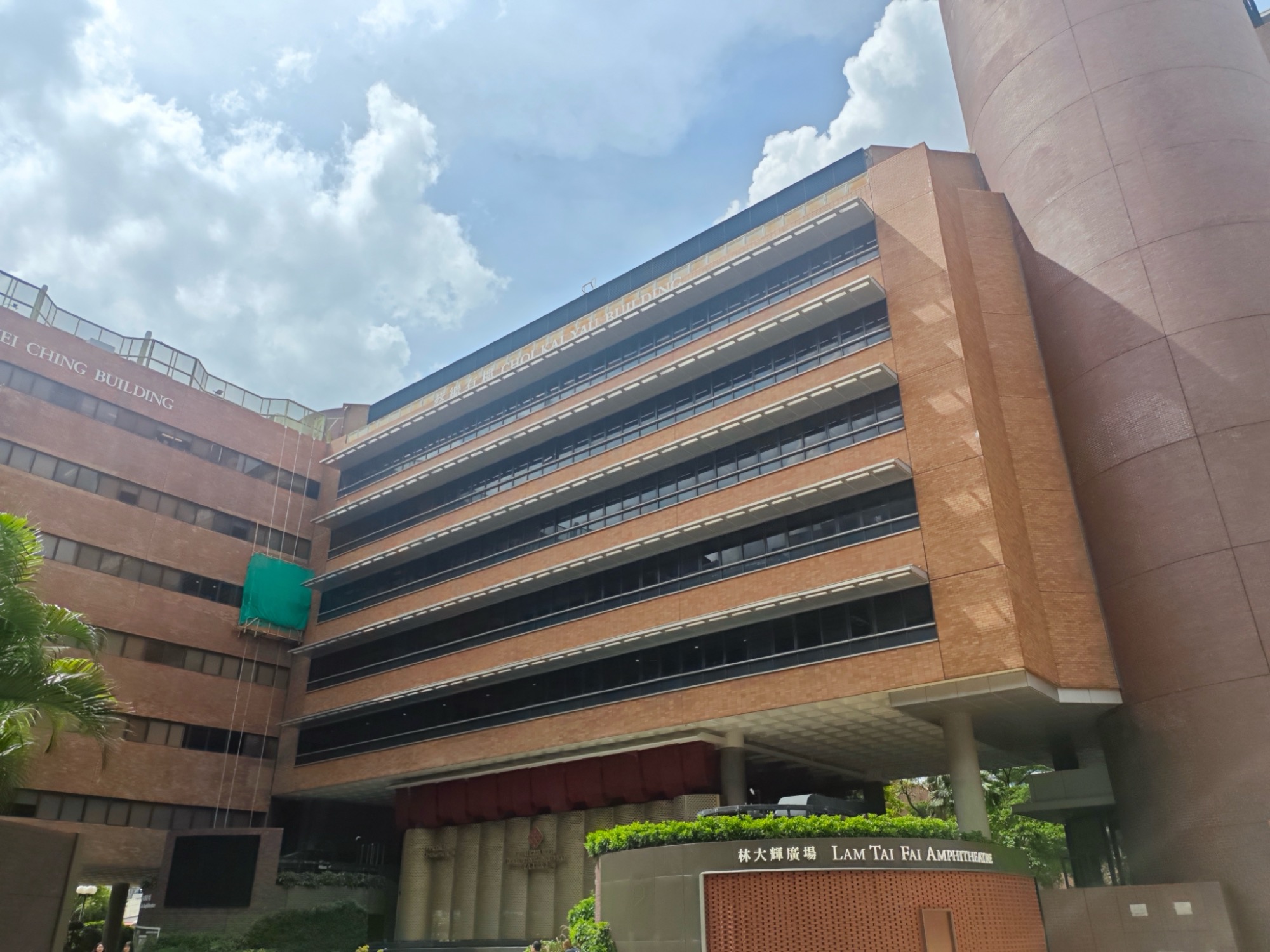
At PolyU, I was drawn less to the language of entrepreneurship than to the support behind it. Students are given time, guidance, and room to keep developing an early idea. Project-building did not feel like a side experiment there. If I return, I hope it will be as a participant rather than a visitor.
At @Cyberport , "incubation" stopped sounding like a word from a slide deck. With actual products in front of us, the questions became sharper: who would use this, what problem was it solving, and what would it take to work beyond a demonstration? The ideas were no longer floating on their own; they had users and constraints waiting for them outside the room.
Hong Kong in Motion
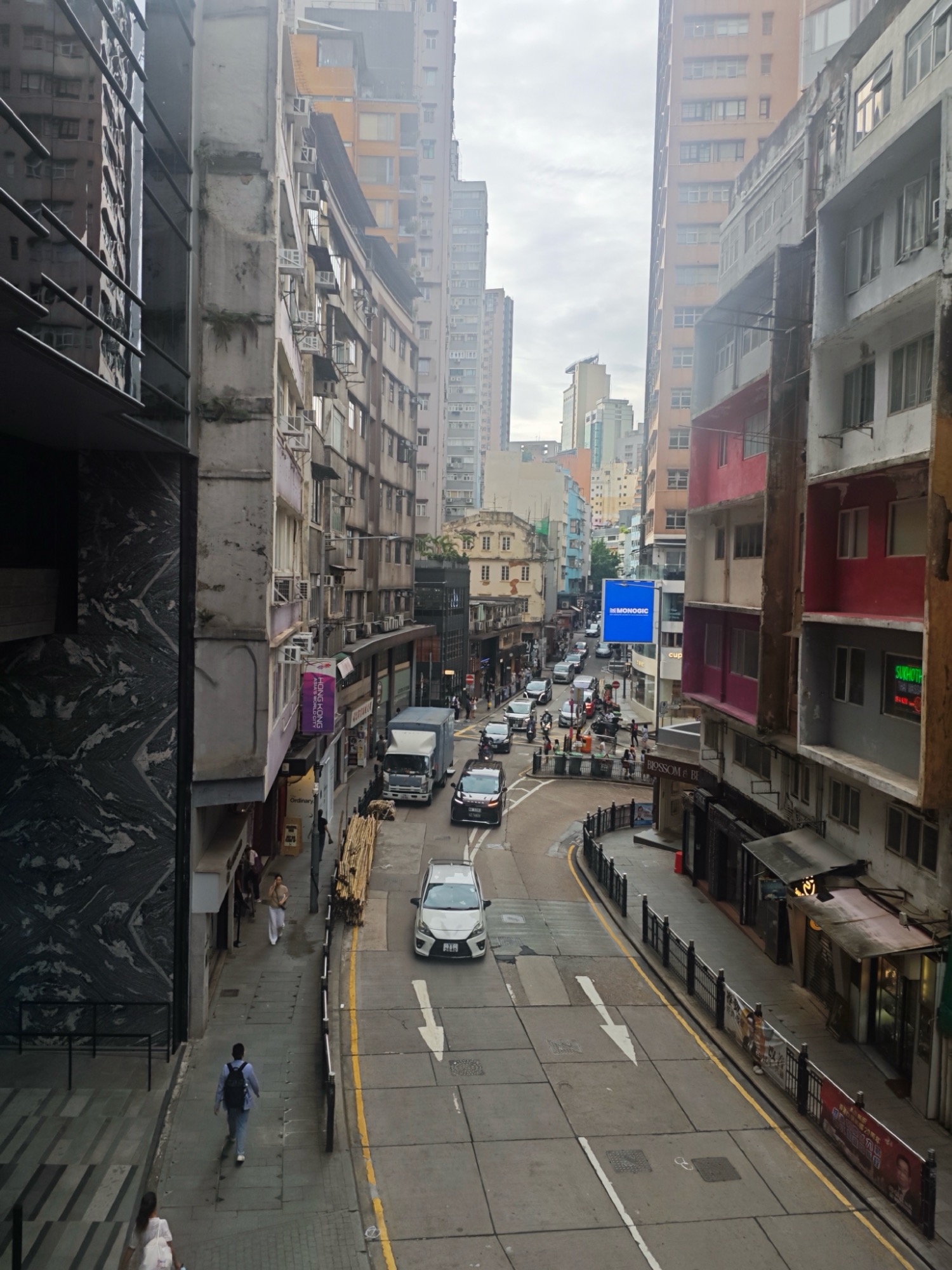
Between scheduled visits, Hong Kong refused to become mere background. Central compressed towers, slopes, footbridges, older buildings, and narrow streets into the same field of view. A few minutes on foot could completely change the character of the street. The city was dense, but not unreadable; different periods and everyday rhythms remained visible beside one another.
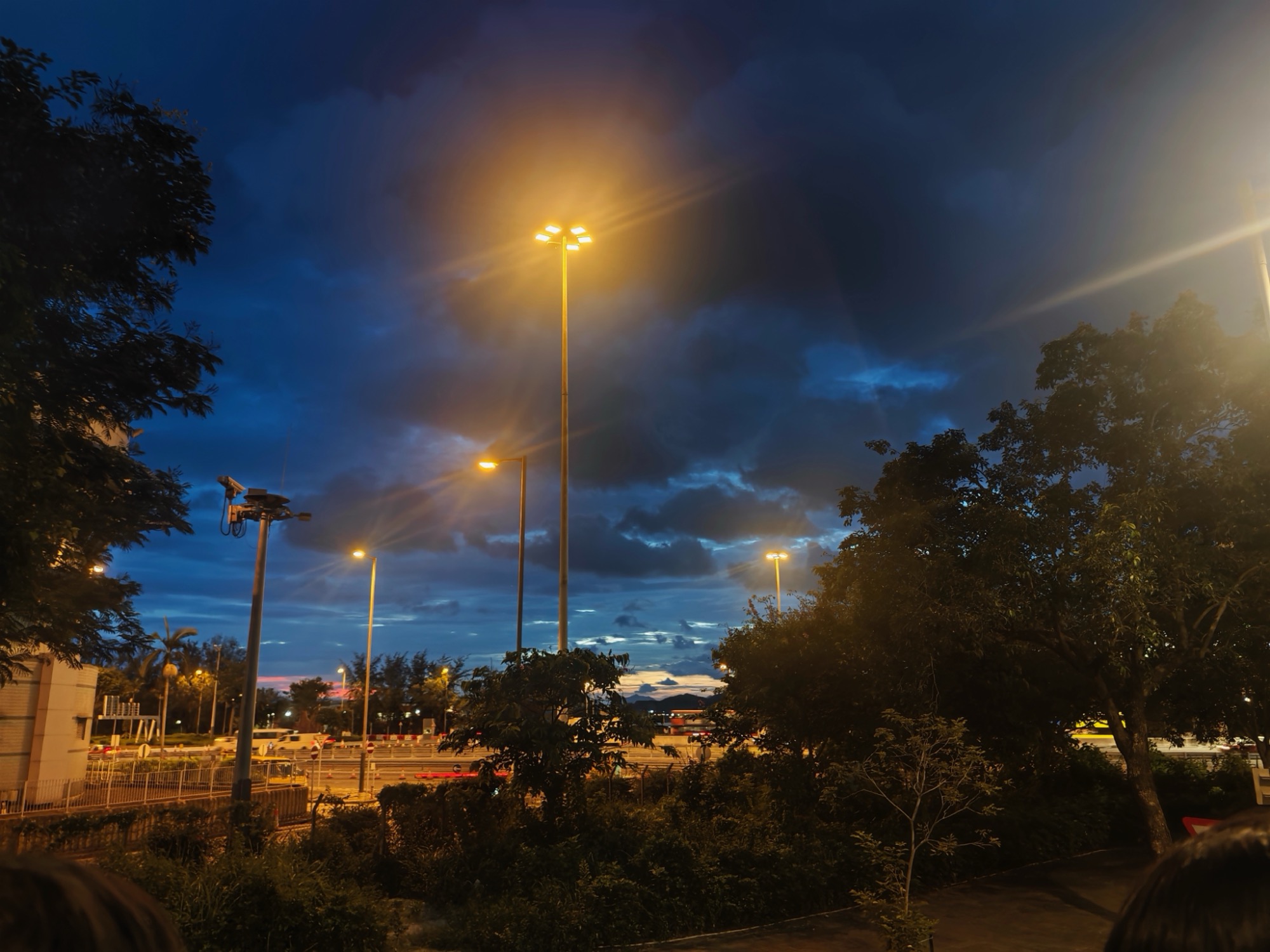
Some of my clearest memories came through a window rather than during a formal visit. At sunset, light appeared and disappeared between buildings as we moved through the city. After a day organised around destinations, it felt good to stop interpreting everything and simply watch.
Then came blue hour: distant lights switching on one by one, people continuing through their routines, and the surroundings growing quieter without ever becoming still. The photograph captured the view, but the transition was the part I wanted to keep.
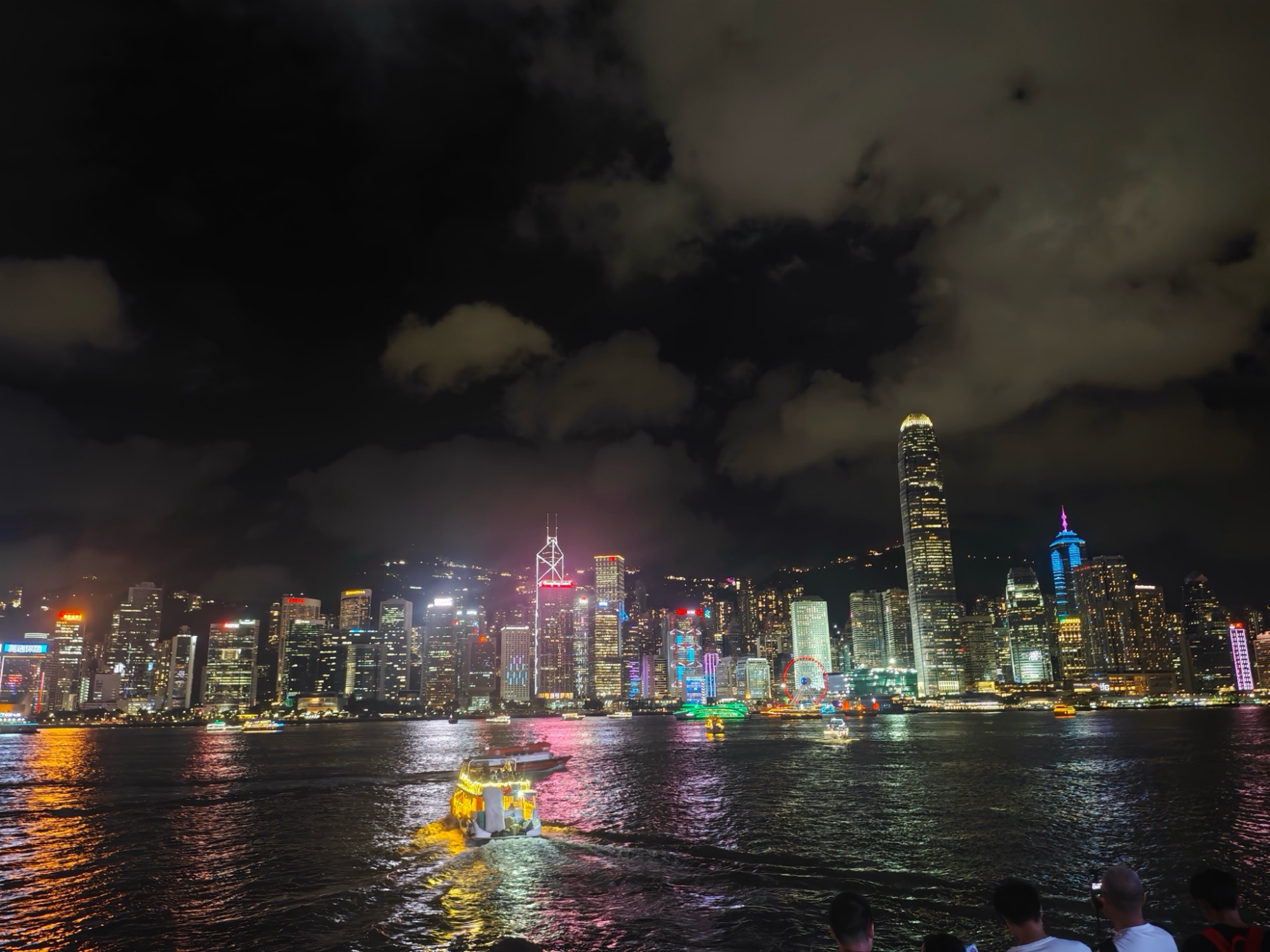
Victoria Harbour opened all that density into distance. I knew the skyline long before I stood in front of it, yet no single landmark mattered as much as the lights, water, and sea breeze together. It was the familiar image of Hong Kong, but finally attached to a real evening of my own.
Switching Scales
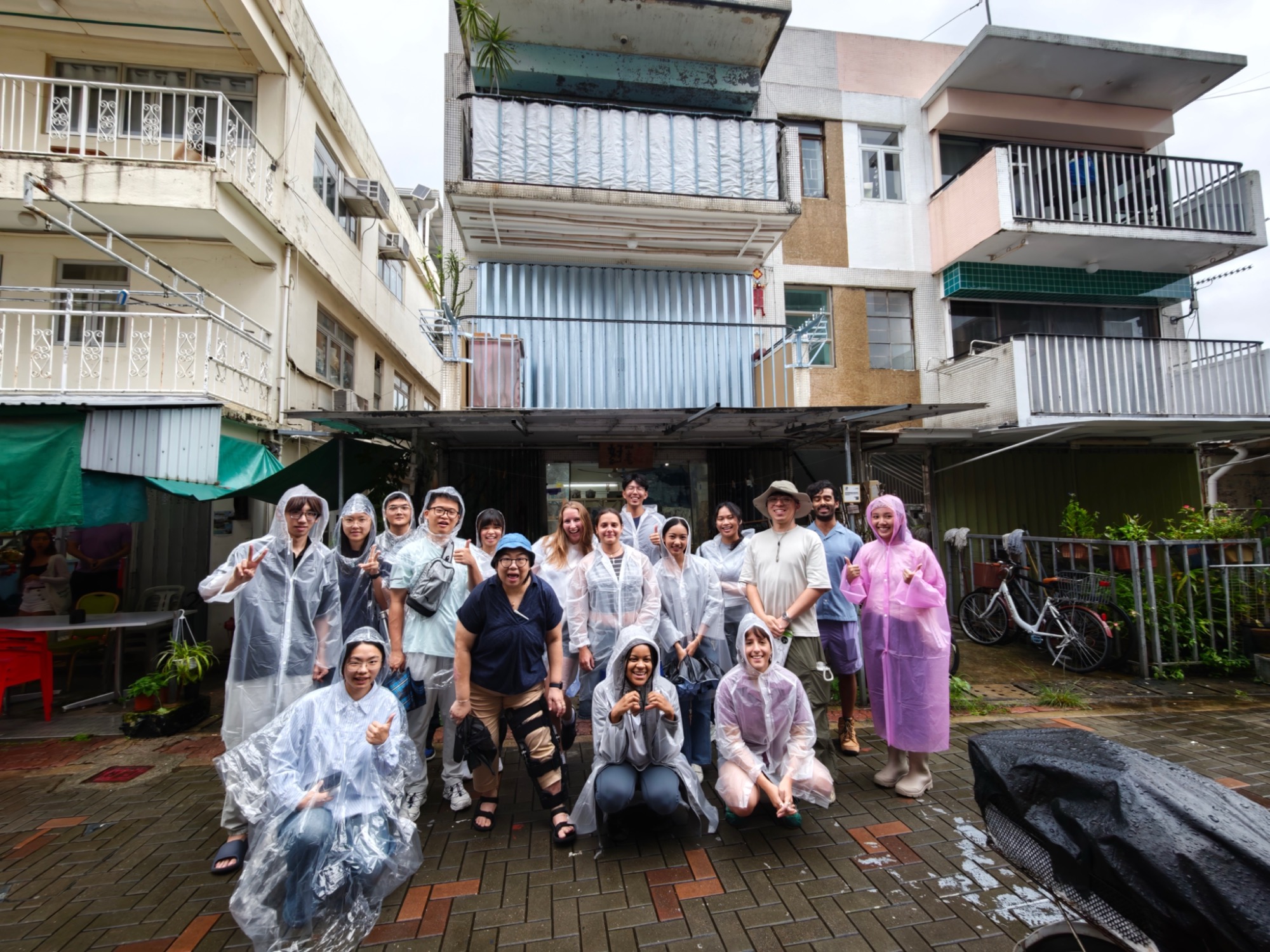
The programme kept changing lenses. At @Good Old Soil (好老土) , a Hong Kong community organisation supporting local farmers, the work centred on land, production, distribution, and livelihood. There was no flashy prototype in the fields. The work began with paying attention to a place, its farmers, and what local agriculture needed in order to keep moving.
The embedded-AI workshop changed the pace completely. Our team assembled and debugged a robot, and the feedback was immediate: software, hardware, and physical behaviour either worked together or they did not. We divided the work, worked through each problem, and eventually watched a collection of parts become a functioning system. That was easily one of the most satisfying moments of the camp.
Then the scale jumped again. At @Haid Group , technology ran through modern agriculture and animal husbandry—from feed and breeding to animal healthcare, intelligent farming, and food processing. The visit revealed the technical depth inside an industry that rarely presents itself with the visual language of a technology company.
At @Yikang Medical (广州一康) , our hands-on exposure to medical-equipment processing shifted the emphasis again. Here, engineering was about precision, standardisation, and the repeatable steps that make equipment dependable in real clinical use.
The production line at @GAC Aion moved to yet another rhythm. Separate processes connected continuously as components became complete vehicles. The showroom presented the polished result; the factory floor revealed the automation, timing, and coordination between people and machines behind it.
Back at GDUT
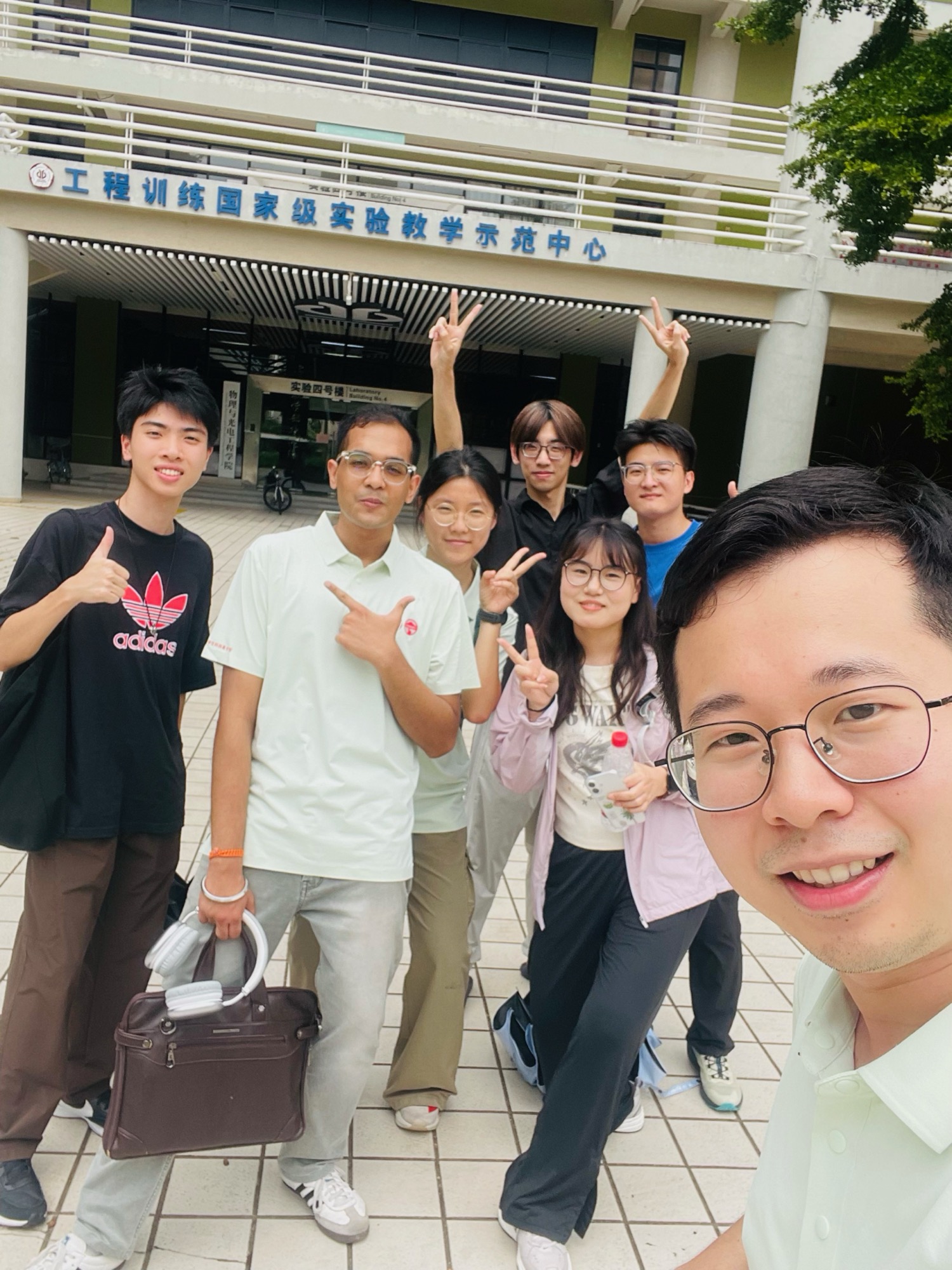
By the time we returned to Guangdong University of Technology, the university names and academic backgrounds that had filled our first introductions no longer felt like labels. We had spent days moving, building, listening, asking questions, and getting used to one another. The photograph outside the Engineering Training Center is informal, and that is exactly why I like it. It feels much closer to the people the programme had brought together.
Our Turn on Stage
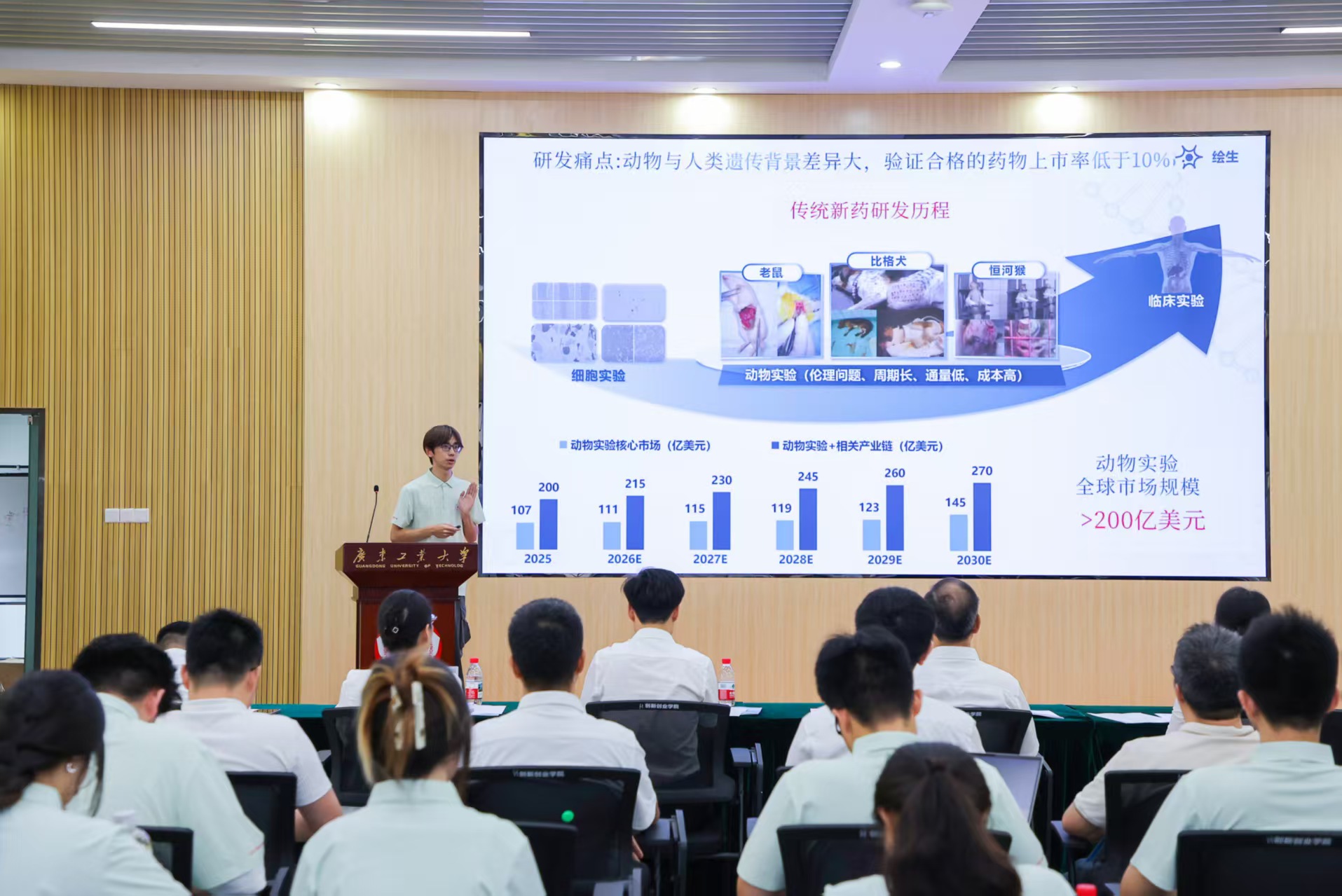
After days of listening to universities and companies explain their work, the final roadshow put us on the other side of the room. Our team presented Huisheng Zhiyuan, a project focused on the intelligent production of organoids. It was selected as the sole Outstanding Project among all participating projects.
I delivered the presentation on behalf of the team. The person speaking onstage is easy to see; the collective work behind that moment is not. The recognition belonged to the project and the team. My part was to communicate our work as clearly as I could.
An Honour—and a Beginning
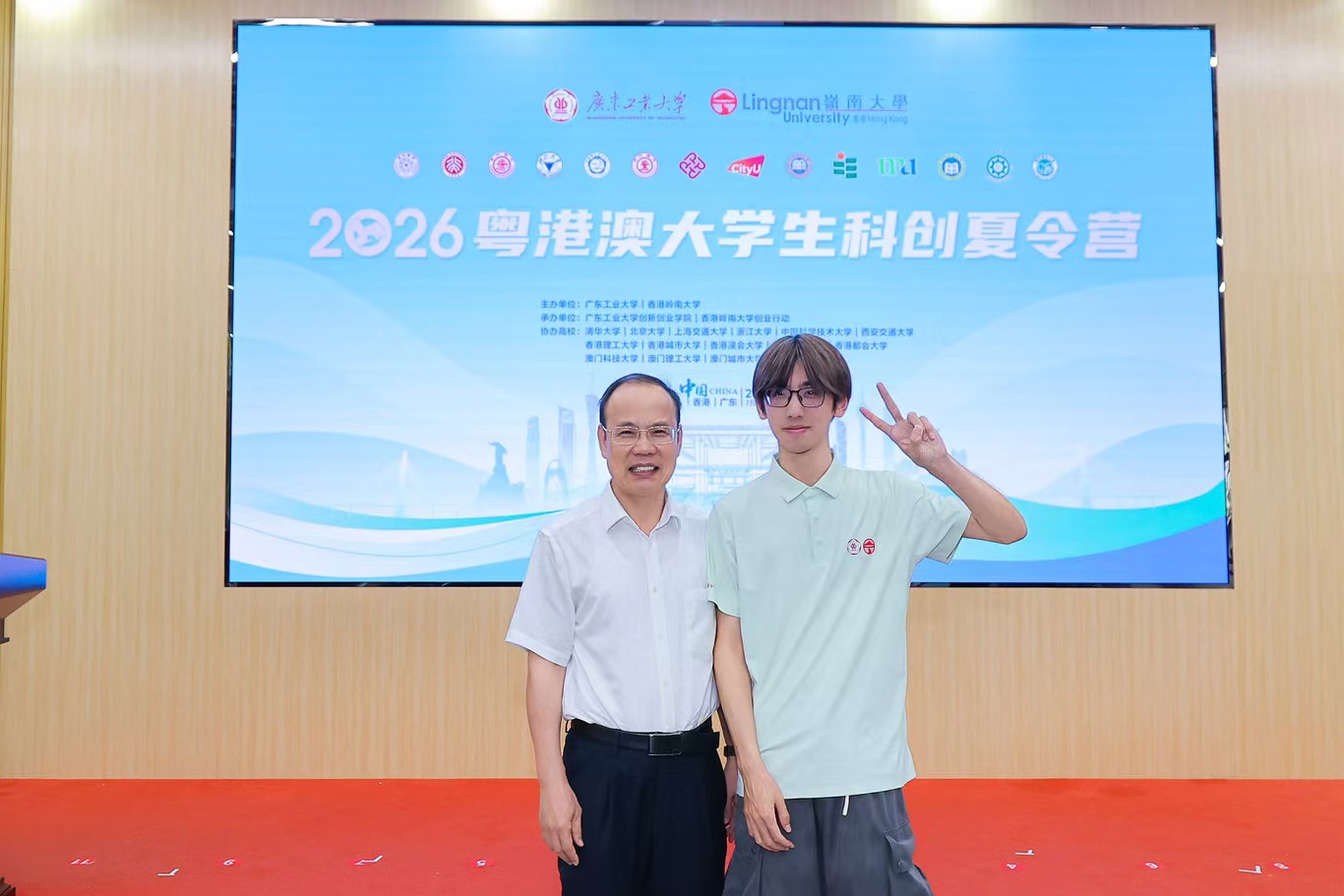
Being named an Outstanding Camper was a genuine honour, but I do not want that title to become the whole story. The photograph with the president of Guangdong University of Technology records the formal moment. What gave it meaning was everything around it: the guidance of teachers and organisers, the work of my teammates, and the curiosity and encouragement shared throughout the programme.
Looking through the photographs now, words such as "innovation" and "entrepreneurship" no longer arrive as abstractions. They bring back a classroom at PolyU, products at Cyberport, fields in Hong Kong, a robot taking shape, factory floors, and the few concentrated minutes of a final presentation.
More than any single visit, I am grateful for the people who were there with me. To every friend I met from different cities, universities, disciplines, and stages of study: thank you for the conversations, laughter, encouragement, and memories we now share. The summer camp reached its final day, but our story did not end there. In many ways, it is only just beginning.